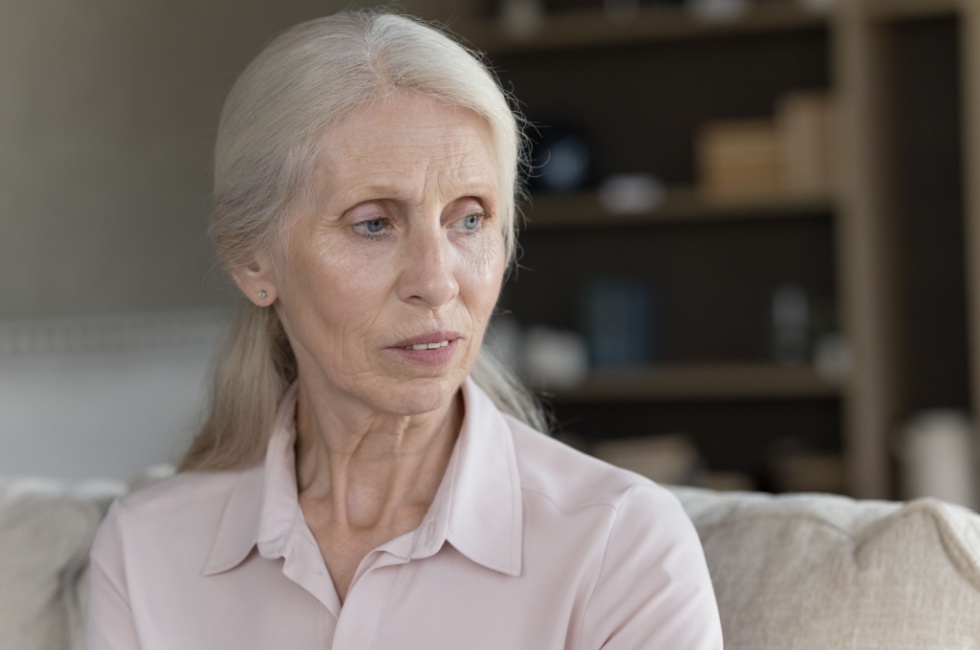
Depression in older adults is often misunderstood. Feelings of sadness, withdrawal, or low energy are frequently dismissed as a normal part of aging, when in fact they may signal a treatable medical condition. According to Dr. Caren Gertner Fritts, PhD, Clinical Psychologist at Seven Acres Jewish Senior Care Services and The Medallion Assisted Living Residence, this misconception can prevent seniors from receiving much-needed care.
“A lot of times people say, ‘I guess that’s just what happens when people get older,’ but that’s not the case,” she said. “It can be treated, whether it’s with cognitive therapy or medication. Just because someone hasn’t had those issues in the past doesn’t mean they shouldn’t be addressed.”
At Seven Acres Jewish Senior Care Services and The Medallion Assisted Living Residence, compassionate, individualized care is a priority. With the support of a dedicated healthcare team, residents receive comprehensive attention to both mental and physical health, helping them live with dignity, purpose, and connection.
Rather than openly expressing sadness, older adults may experience changes in appetite, sleep, energy levels, or social engagement.
“Very often, people will stop eating as much as they should or start eating more,” said Dr. Fritts. “Isolation, lingering sadness, changes in sleep patterns, or saying, ‘I just don’t have any energy,’ can all be indicators.”
Physical health can also play a role. Conditions such as urinary tract infections, vitamin deficiencies, or other medical imbalances can directly affect mood and behavior.
“Depression can affect you emotionally and physically,” she said. “Sudden changes in behavior, such as agitation, are signs that someone should be evaluated medically.”
Life transitions such as retirement, loss of independence, declining health, or the death of a loved one can further contribute to depression. While sadness is a natural response to loss, it may persist and deepen without support.
“Sometimes sadness lingers,” Dr. Fritts explains. “Depression isn’t just feeling sad in the moment, it continues.”
The good news is that depression in seniors is highly treatable. Dr. Fritts encourages individuals and families to speak with a physician if symptoms appear. Treatment may include talk therapy, cognitive behavioral therapy, medication, or a combination of approaches. Early intervention can greatly improve emotional well-being and overall quality of life.
Depression in seniors is real and should never be dismissed as an inevitable part of aging. Awareness, observation, and timely care make a meaningful difference.
If you would like more information about our care at Seven Acres, please contact Dominique Murray at 713-778-5712 or visit sevenacres.org. If you or a loved is in need of assisted living, please contact Loren Gordon at 713-778-5702 or visit the medallion.org.